Key Facts
- Chronic pelvic pain (CPP) is defined as pain in the lower abdomen or pelvis lasting six months or longer
- An estimated 1 in 7 women in the United States lives with chronic pelvic pain
- Gynecologic conditions account for approximately two-thirds of all CPP cases in women
- The most common gynecologic causes include endometriosis, uterine fibroids, adenomyosis, ovarian cysts, and pelvic inflammatory disease
- CPP is rarely caused by a single condition; up to 50% of patients have more than one contributing diagnosis
- Accurate diagnosis requires a thorough evaluation by a gynecologist, often including imaging and minimally invasive procedures
- Many effective, minimally invasive treatment options exist once the cause is identified
If you experience a persistent ache, pressure, or sharp pain in your lower abdomen or pelvis, you are not alone, and you are not imagining it. Chronic pelvic pain affects roughly one in seven women in the United States, yet it remains one of the most underdiagnosed and undertreated conditions in women’s health.
What makes chronic pelvic pain particularly frustrating is how difficult it can be to pin down. The pelvis houses the uterus, ovaries, fallopian tubes, bladder, bowel, and a complex web of muscles, nerves, and blood vessels. Pain originating in any one of these structures can feel similar, which is why so many women spend years searching for answers before receiving a clear diagnosis.
This guide explains the most common causes of chronic pelvic pain in women, what distinguishes each condition, and what to expect when you seek care from a gynecologist who specializes in minimally invasive treatment.
What Is Chronic Pelvic Pain?
Chronic pelvic pain is defined by the American College of Obstetricians and Gynecologists (ACOG) as continuous or intermittent pain in the pelvis, lower abdomen, lower back, or buttocks that lasts for at least six months and is significant enough to interfere with daily life or require medical attention.
The pain may be:
- Constant or cyclical (worsening around menstruation)
- Dull and aching, sharp and stabbing, or a feeling of heaviness and pressure
- Localized in one spot or spread across the pelvic region
- Worsened by intercourse, physical activity, prolonged sitting, or bowel movements
CPP is not a diagnosis itself. It is a symptom that points toward one or more underlying conditions. Identifying what is driving your pain is the essential first step toward effective, lasting relief.
What are the Most Common Gynecologic Causes of Chronic Pelvic Pain?
Research consistently shows that gynecologic conditions account for the majority of chronic pelvic pain cases in women. The following conditions are the most frequently identified causes.
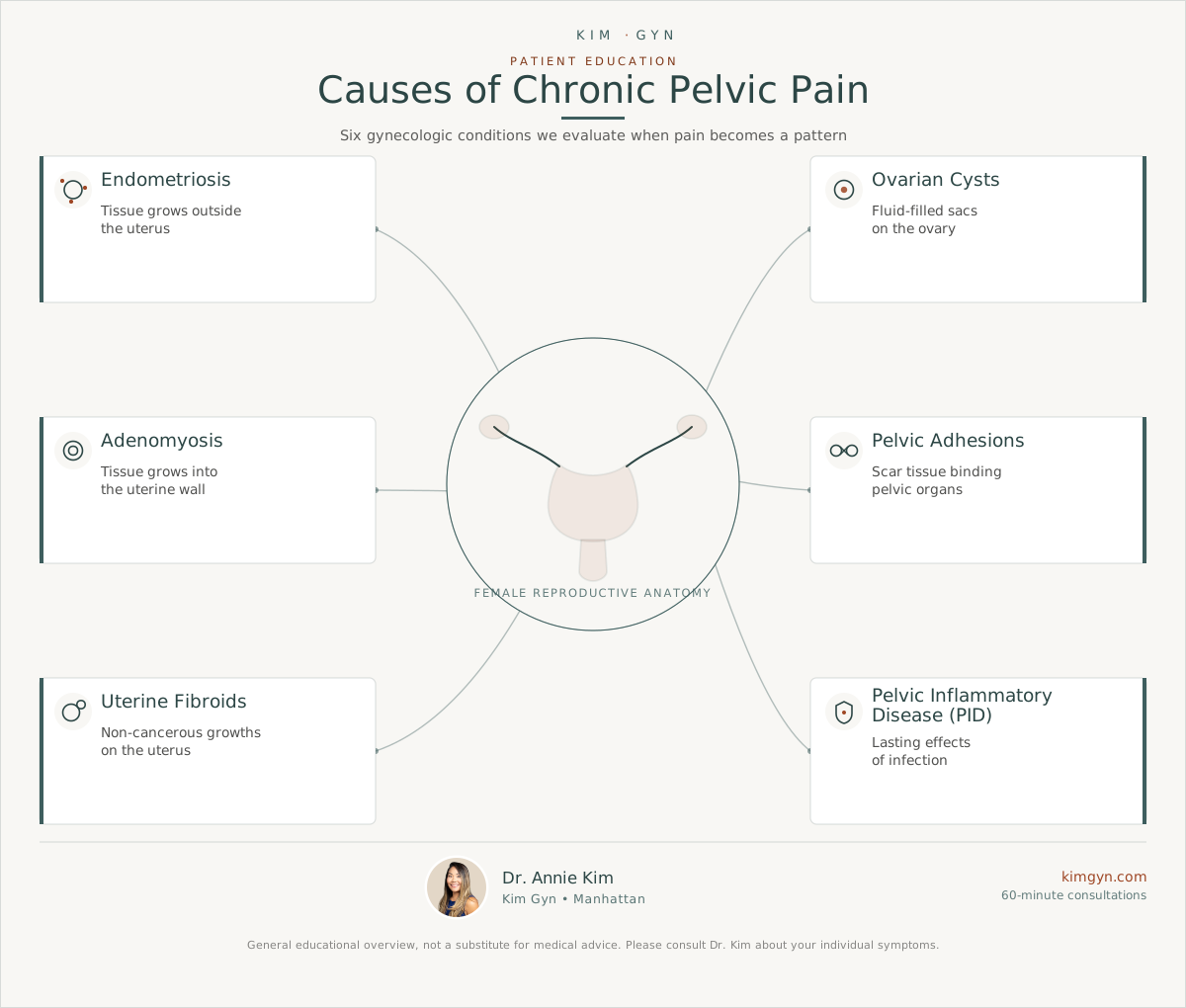
Endometriosis
Endometriosis occurs when tissue similar to the lining of the uterus (the endometrium) grows outside the uterus. These implants most commonly develop on the ovaries, fallopian tubes, the outer surface of the uterus, and the tissue lining the pelvis. In more advanced cases, endometriosis can involve the bowel, bladder, and other pelvic structures.
Each month, these displaced tissue implants respond to hormonal changes just as the uterine lining does, swelling and bleeding with the menstrual cycle. Because the blood and tissue have nowhere to go, they cause inflammation, scarring, and the formation of adhesions (bands of scar tissue that can bind organs together).
Common symptoms of endometriosis:
- Severe menstrual cramps that worsen over time
- Chronic pelvic pain that is not limited to menstruation
- Pain during or after sexual intercourse (dyspareunia)
- Pain with bowel movements or urination, particularly during menstruation
- Heavy or irregular periods
- Bloating, nausea, or fatigue around menstruation
- Difficulty conceiving
Endometriosis affects an estimated 10% of women of reproductive age, and yet the average time from symptom onset to diagnosis is seven to ten years. This delay is often the result of symptoms being dismissed as “normal period pain.” If menstrual pain is significantly affecting your quality of life, a specialist evaluation is warranted.
Diagnosis typically requires laparoscopy, a minimally invasive surgical procedure that allows direct visualization of endometrial implants. Hormonal medications and excision surgery, in which implants are precisely removed rather than simply burned away, are the most effective treatment approaches.
Uterine Fibroids
Uterine fibroids are noncancerous (benign) growths that develop within the muscular wall of the uterus or on its inner or outer surface. They are the most common benign tumors of the female reproductive tract and are found in up to 70-80% of women by the time they reach menopause, though not all fibroids cause symptoms.
Fibroids that do cause pain typically do so through several mechanisms:
- Intramural fibroids (within the uterine wall) create pressure on surrounding structures as they grow
- Submucosal fibroids (projecting into the uterine cavity) prevent the uterus from contracting normally during menstruation, causing severe cramping
- Pedunculated fibroids (attached to the uterus by a stalk) can twist, causing sudden, sharp pelvic pain
- Large fibroids of any type can press on the bladder, rectum, or spinal nerves, causing pelvic pressure, urinary frequency, or radiating discomfort
Common symptoms of uterine fibroids:
- Heavy or prolonged menstrual bleeding
- Pelvic pain, pressure, or a feeling of fullness
- Frequent urination or difficulty emptying the bladder
- Constipation or a sense of rectal pressure
- Pain during sexual intercourse
- Lower back pain
- An enlarged or visible abdomen in cases of very large fibroids
Many women with fibroids are told to “wait and see,” but when symptoms are affecting daily life, work, relationships, or fertility, treatment should not be postponed. Minimally invasive options include uterine fibroid embolization (UFE), hysteroscopic myomectomy, laparoscopic myomectomy, and robotic-assisted myomectomy, all of which can preserve the uterus in women who wish to maintain fertility.
Adenomyosis
Adenomyosis is a condition in which the endometrial tissue that normally lines the uterus grows into the muscular wall of the uterus itself. The result is a uterus that is enlarged, tender, and prone to heavy, prolonged bleeding and significant pelvic pain.
Adenomyosis frequently coexists with endometriosis and fibroids, which can make diagnosis more challenging. It tends to be more common in women in their late 30s and 40s, particularly those who have had children, though it can affect women of any age.
Common symptoms of adenomyosis:
- Progressively worsening menstrual cramps
- Heavy, prolonged menstrual bleeding
- Chronic pelvic pain and pressure, often worsening before and during menstruation
- A feeling of uterine tenderness or heaviness
- Pain during sexual intercourse
- An enlarged uterus that may be detectable on examination
Adenomyosis can now often be diagnosed through high-quality pelvic ultrasound or MRI, avoiding the need for surgery in many cases. Treatment ranges from hormonal management to minimally invasive surgical options, depending on symptom severity and whether future pregnancy is desired.
Ovarian Cysts
Ovarian cysts are fluid-filled sacs that develop on or within the ovaries. Most are functional cysts that form as part of the normal menstrual cycle and resolve on their own within a few weeks. However, certain types of cysts can persist, grow, and cause significant chronic pelvic pain.
Types of ovarian cysts associated with ongoing pelvic pain include:
- Endometriomas (also called “chocolate cysts”): cysts filled with old menstrual blood that form as a result of endometriosis growing on the ovary
- Dermoid cysts: cysts that contain tissue such as hair or skin and can grow large enough to cause pressure and pain
- Cystadenomas: cysts that develop from ovarian tissue and can grow to a substantial size
- A cyst that ruptures or causes the ovary to twist (ovarian torsion) results in sudden, severe pain that requires immediate medical attention
Common symptoms of problematic ovarian cysts:
- Dull or sharp pain on one or both sides of the pelvis
- Pelvic pressure or a feeling of fullness
- Bloating or swelling in the lower abdomen
- Pain during intercourse
- Irregular periods or changes in menstrual flow
- Frequent urination if a cyst presses on the bladder
Diagnosis is typically confirmed through pelvic ultrasound. Treatment depends on the type, size, and behavior of the cyst, and ranges from watchful waiting to minimally invasive laparoscopic removal.
Pelvic Inflammatory Disease
Pelvic inflammatory disease (PID) is an infection of the upper reproductive tract that can involve the uterus, fallopian tubes, and ovaries. It most commonly results from untreated sexually transmitted infections, particularly chlamydia and gonorrhea, though it can also develop from other bacterial infections.
When PID is not treated promptly, it can cause scarring and damage to the fallopian tubes and surrounding structures. This residual damage is a significant cause of chronic pelvic pain long after the acute infection has resolved. PID-related adhesions (scar tissue) can distort the anatomy of the pelvis and create persistent pain with movement, intercourse, and menstruation.
Common symptoms of PID and its long-term effects:
- Dull, persistent aching in the lower abdomen and pelvis
- Pain during intercourse
- Irregular bleeding or spotting
- Unusual vaginal discharge
- A prior history of acute PID, characterized by fever, chills, and sudden pelvic pain
Women who have had PID are at higher risk for chronic pelvic pain, ectopic pregnancy, and reduced fertility. If there is any concern about a pelvic infection, prompt evaluation and treatment with antibiotics is essential to minimize long-term complications.
Less Common Causes of Chronic Pelvic Pain
While the conditions above are the most common, several other gynecologic factors can contribute to chronic pelvic pain.
Pelvic Congestion Syndrome
Pelvic congestion syndrome (PCS) occurs when varicose veins develop within the pelvis, similar to varicose veins in the legs. These dilated, poorly functioning veins cause blood to pool in the pelvic region, resulting in a dull, aching, chronic pain that is often worse after prolonged standing, physical activity, or sexual intercourse. It is more common in women who have had more than one pregnancy.
The pain of pelvic congestion syndrome is characteristically described as a heaviness or pressure in the pelvis that improves when lying down. Because the pelvic veins are not easily visualized with standard examination, this condition is frequently missed and underdiagnosed. Pelvic venography, Doppler ultrasound, or MRI can confirm the diagnosis.
Vulvodynia
Vulvodynia refers to chronic pain, burning, or irritation of the vulva that lasts three months or longer and has no identifiable infectious or inflammatory cause. The pain can be constant or provoked by touch, pressure, or penetration.
Vulvodynia is a complex condition that may involve nerve hypersensitivity, hormonal changes, pelvic floor dysfunction, or a history of trauma. It is more common than many women realize, and it often goes undiagnosed because many women are reluctant to discuss the symptoms or because the condition is not always well-recognized in general practice settings.
Uterine or Cervical Polyps
Polyps are small, benign overgrowths of tissue that develop from the lining of the uterus (endometrial polyps) or the cervical canal (cervical polyps). While they often cause no symptoms, larger polyps or multiple polyps can cause irregular bleeding, spotting between periods, and, in some cases, pelvic discomfort or cramping. They can typically be removed during a minimally invasive hysteroscopic procedure.
Pelvic Floor Dysfunction
The pelvic floor is a group of muscles, ligaments, and connective tissues that support the pelvic organs. When these muscles are too tight, too weak, or poorly coordinated, they can be a direct source of chronic pelvic pain. Pelvic floor dysfunction may develop in the context of other conditions such as endometriosis or following childbirth, surgery, or injury.
Symptoms include pelvic pressure or aching, pain with intercourse, difficulty with bowel or bladder function, and pain when sitting for extended periods. Pelvic floor physical therapy is often an important component of a comprehensive treatment plan.
Non-Gynecologic Causes That Can Mimic or Coexist with Gynecologic Pain
Because the pelvis contains multiple organ systems in close proximity, not all chronic pelvic pain originates in the reproductive organs. A thorough evaluation should rule out or address the following:
Gastrointestinal causes:
- Irritable bowel syndrome (IBS): cramping, bloating, and alternating constipation and diarrhea that can closely mimic gynecologic pain
- Inflammatory bowel disease (Crohn’s disease, ulcerative colitis)
- Constipation or bowel-related discomfort
Urologic causes:
- Interstitial cystitis (also called painful bladder syndrome): a chronic bladder condition characterized by pelvic pressure, frequent urination, and pain that worsens when the bladder is full
- Recurrent urinary tract infections
Musculoskeletal causes:
- Myofascial pain involving the pelvic floor or abdominal wall muscles
- Hip or sacroiliac joint pathology that refers pain to the pelvic region
It is also important to note that chronic pelvic pain and psychological health are closely linked. A significant number of women with chronic pelvic pain have a history of physical, emotional, or sexual trauma. Pain modulation is a complex process, and addressing psychological wellbeing is often a meaningful part of comprehensive chronic pelvic pain care.
Why is Chronic Pelvic Pain Difficult to Diagnose?
Several factors make chronic pelvic pain one of the more challenging conditions to evaluate:
Multiple Conditions Frequently Coexist
Research shows that up to 50% of women with chronic pelvic pain have more than one contributing cause. Endometriosis and adenomyosis, for example, are often present together. Fibroids and interstitial cystitis can coexist. A specialist who evaluates only one system may miss the full clinical picture.
Symptoms Overlap Significantly
Heavy bleeding, pelvic pressure, pain with intercourse, and irregular cycles can be caused by fibroids, endometriosis, adenomyosis, or ovarian cysts. Without targeted testing and a careful history, distinguishing between these conditions requires expertise and, in some cases, diagnostic surgery.
Pain Does Not Always Correlate with the Size of the Pathology
Small endometrial implants can cause severe pain in one woman, while large fibroids may be asymptomatic in another. Symptom severity alone does not indicate what is present or how extensive the condition is.
Women’s Pain is Historically Underestimated
Multiple studies have documented that women’s reports of pain receive less clinical attention than those of men, and gynecologic pain in particular is too often dismissed as “normal” or psychosomatic. If you have been told your pain is normal and your quality of life is affected, seeking a second opinion from a specialist is appropriate and warranted.
When to See a Gynecologist for Pelvic Pain
You should schedule an evaluation with a gynecologist if you experience any of the following:
- Pelvic pain that has lasted more than six months
- Pain that is severe enough to interrupt work, exercise, sleep, or daily activities
- Menstrual cramps that worsen over time or require pain medication to manage
- Pain during or after sexual intercourse
- Pelvic pressure, heaviness, or a sensation that something is “falling out”
- Heavy or prolonged menstrual bleeding
- Spotting or bleeding between periods
- Frequent urination, urinary urgency, or pain with urination
- Difficulty conceiving
Early evaluation can prevent conditions from progressing, preserve fertility, and significantly improve quality of life.
Get an Accurate Diagnosis at Kim Gyn in the Upper East Side
At Kim Gyn, Dr. Kim specializes in the diagnosis and minimally invasive treatment of conditions that cause chronic pelvic pain, including endometriosis, uterine fibroids, adenomyosis, and ovarian cysts. Serving patients on the Upper East Side of Manhattan, our practice is committed to listening carefully, diagnosing accurately, and offering treatments that prioritize your body, your fertility, and your quality of life. Book a consultation today.
Frequently Asked Questions About Chronic Pelvic Pain
How long does pain have to last to be considered chronic?
Pain is generally considered chronic when it has persisted for six months or longer. However, if your pain is severe, worsening, or affecting your daily life at any point, you should not wait to seek evaluation.
Can chronic pelvic pain affect fertility?
Yes. Several of the most common causes of chronic pelvic pain, including endometriosis, uterine fibroids, adenomyosis, PID, and ovarian cysts, can affect fertility if left untreated. Early diagnosis and appropriate treatment can help preserve reproductive function in many cases.
Is pelvic pain during sex normal?
Pain during or after sexual intercourse (dyspareunia) is not a normal part of sexual health. It is a meaningful clinical symptom that warrants evaluation. Common causes include endometriosis, fibroids, adenomyosis, ovarian cysts, vulvodynia, and pelvic floor tension.
Can chronic pelvic pain be cured?
For many women, the underlying causes of chronic pelvic pain can be treated effectively, leading to significant or complete resolution of symptoms. For others, particularly those with complex or overlapping conditions, ongoing management may be needed. The most important step is accurate diagnosis, which makes targeted, effective treatment possible.
Does chronic pelvic pain always have a physical cause?
Most women with chronic pelvic pain have at least one identifiable physical cause. However, pain perception is influenced by the nervous system, hormones, and psychological factors. In women who have experienced trauma or who have a history of anxiety or depression, pain signals can be amplified even when the underlying physical condition is treated. A comprehensive approach that addresses both physical and psychological dimensions often produces the best outcomes.